Top 10 Backup Mistakes That Can Cost Your Business Millions
Data is one of the most valuable assets a business owns. Yet many organizations invest in backup solutions without following the best practices needed to ensure those backups are actually recoverable.
Whether it's a ransomware attack, hardware failure, accidental deletion, or natural disaster, a poorly designed backup strategy can lead to extended downtime, financial loss, and damaged customer trust.
Here are the 10 most common backup mistakes that businesses make—and how to avoid them.
1. Having Only One Backup Copy
Keeping a single backup is a major risk. If that backup becomes corrupted, encrypted, or accidentally deleted, recovery may be impossible. Therefore, maintaining multiple backup copies is essential.
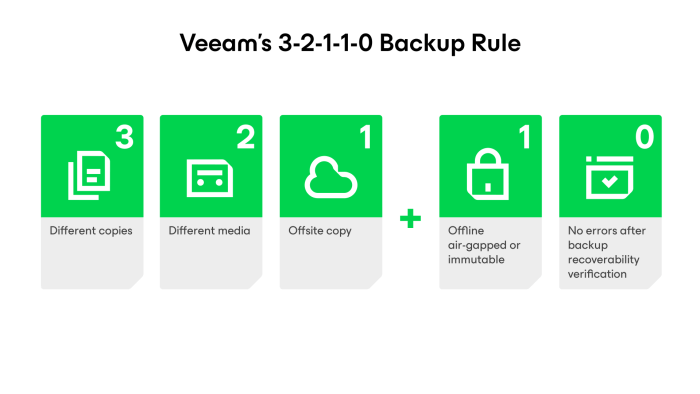
Best Practice: Follow the 3-2-1-1-0 backup strategy by maintaining multiple copies of your data across different storage locations.
2. Never Testing Backup Restores
Many organizations assume their backups are working because backup jobs complete successfully. Unfortunately, a successful backup doesn't always guarantee a successful restore.
Best Practice: Schedule regular restore tests to verify backup integrity and ensure recovery procedures work as expected.
3. Not Using Immutable Backups
Modern ransomware specifically targets backup repositories. As a result, organizations that don't use immutable storage risk losing both production data and backup copies. If attackers can delete or encrypt your backups, your recovery options become extremely limited.
Best Practice: Store at least one backup copy in an immutable repository where backup files cannot be modified or deleted during the retention period.
4. Storing All Backups in One Location
Keeping every backup in the same building exposes your business to risks such as fire, flooding, theft, or power failures. For this reason, at least one backup copy should always be stored offsite.
Best Practice: Maintain at least one offsite backup copy or use secure cloud storage for disaster recovery.
5. Using the Same Administrator Credentials Everywhere
If backup infrastructure shares the same administrator credentials as production systems, attackers can compromise everything with a single account.
Best Practice: Use dedicated administrator accounts, enable Multi-Factor Authentication (MFA), and apply the principle of least privilege.
6. Ignoring Backup Monitoring
Failed backup jobs often go unnoticed until recovery is needed.
Best Practice: Monitor backup jobs daily and configure alerts for failed or missed backups.
7. Keeping Backup Servers on the Production Network
If ransomware spreads through the production environment, backup servers connected to the same network may also be compromised.
Best Practice: Isolate backup infrastructure using network segmentation and dedicated management access.
8. Poor Backup Retention Policies
Very short retention periods may leave you without a clean recovery point if ransomware remains undetected for several weeks.
Best Practice: Review your retention policies regularly and align them with your business and compliance requirements.
9. Delaying Software Updates
Outdated backup software and operating systems may contain vulnerabilities that attackers can exploit.
Best Practice: Keep backup applications, operating systems, and firmware updated with the latest security patches.
10. Having No Disaster Recovery Plan
Backups alone are not enough. Without documented recovery procedures, restoring critical systems can take far longer than expected.
Best Practice: Develop a disaster recovery plan, document recovery priorities, and conduct periodic recovery drills with your IT team.
Final Thoughts
A reliable backup strategy is more than just scheduling backup jobs—it's about ensuring your business can recover quickly when disaster strikes.
By avoiding these common mistakes and following industry best practices such as the 3-2-1-1-0 backup strategy, immutable storage, offsite backups, and regular restore testing, organizations can significantly reduce the impact of ransomware, hardware failures, and other unexpected events.
Whether you're using Veeam Backup & Replication or another enterprise backup solution, the principles remain the same: secure your backups, verify them regularly, and always be prepared to restore when it matters most.